A standard general home inspection evaluates broad structural and mechanical systems, but it lacks the specialized focus required to detect cryptic wood-destroying organisms. Subterranean termites build narrow mud…
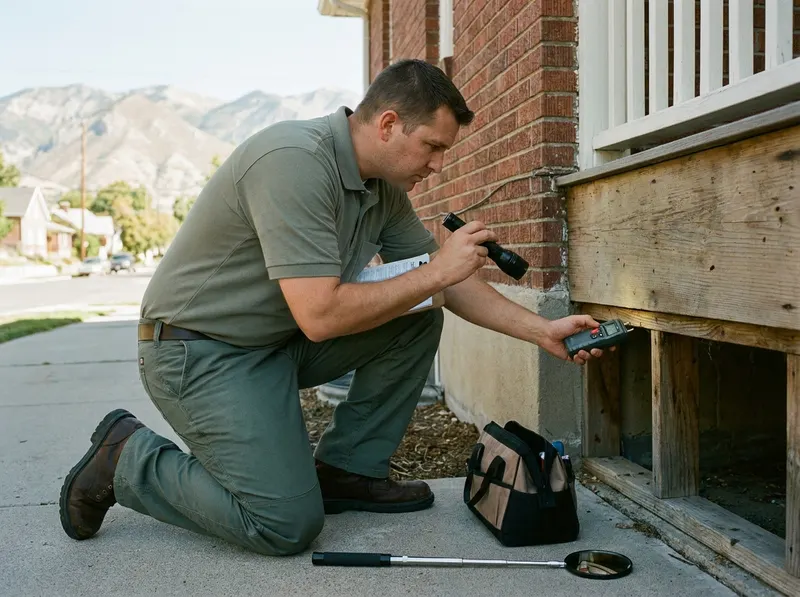
A standard general home inspection evaluates broad structural and mechanical systems, but it lacks the specialized focus required to detect cryptic wood-destroying organisms. Subterranean termites build narrow mud shelter tubes across foundation stem walls and feed inside structural lumber, leaving the outer wood layer intact while hollowing load-bearing elements. For transactions financed through VA, FHA, or conventional lending programs, underwriters frequently mandate a standalone wood-destroying pest report before clearing closing conditions. Executing an independent structural inspection separates cosmetic flaws from authentic integrity issues, providing quantifiable data for buyer-seller repair negotiations.
Historic properties across The Avenues, Capitol Hill, and Yalecrest frequently feature sandstone or unreinforced masonry footings coupled with low-clearance crawlspaces. These structural designs trap sub-slab moisture during the spring thaw from the Wasatch Range, establishing high-risk entry corridors for subterranean termites moving beneath the winter frost line. In contrast, mid-century slab-on-grade homes throughout Rose Park, Glendale, and the Ballpark district experience settlement stress cracks that provide direct, unexposed foundation ingress beneath carpet and hardwood. Evaluating structural load points against these localized construction methods ensures high-risk zones from Federal Heights to Sugar House are properly accounted for.
When structural wood-destroying activity is identified, documented findings define exact remediation protocols rather than unnecessary broadcast treatments. Eliminating active subterranean colonies requires perimeter barrier defense or non-repellent liquid soil applications positioned to stop migration into the building envelope. While slab drilling may be necessary for interior expansion joints in East Central or Liberty Wells properties, exterior trenching and precise application minimize physical disruption. This measured approach provides underwriters, buyers, and sellers with the structural validation needed to resolve contingencies and safeguard property value.
Every job gets a firm, written price after a free on-site visit.
Tell us about your real estate contingency pest inspection job in Salt Lake City and we'll send a clear, written quote — usually the same day.
 Velqora Termite Management